



M
oose are one of most anticipated sights of Maine's Aroostook County, Maine. For many visitors, catching a glimpse of the iconic Maine moose is a once-in-a-lifetime experience. Here's an overview of tips for finding these iconic Maine animals::
M
Maine Moose Appearance
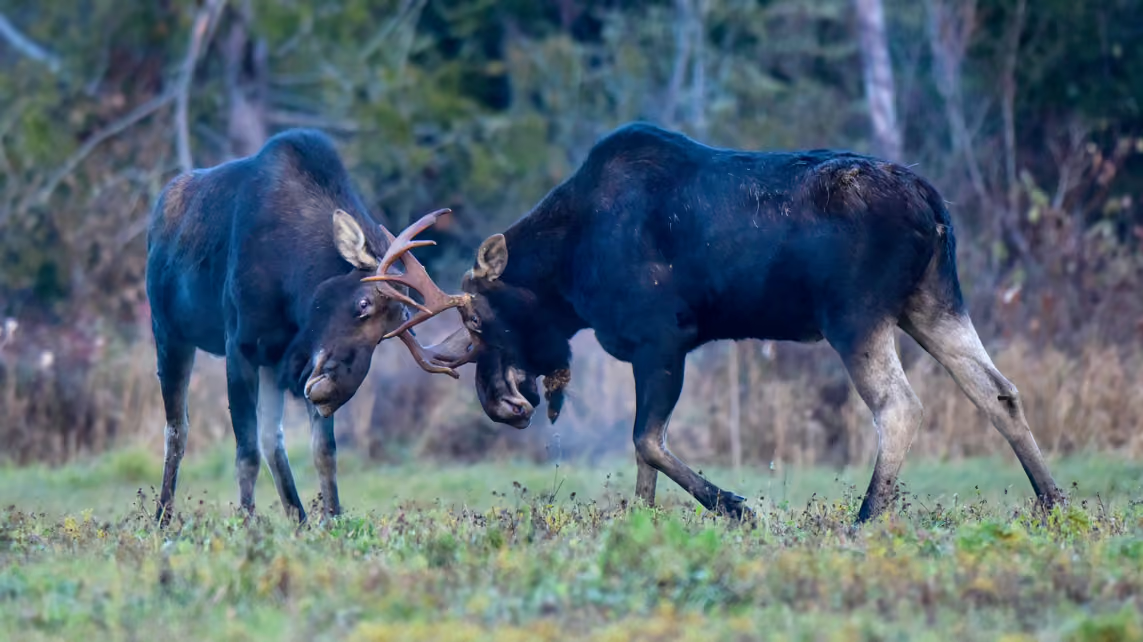
Moose are the largest members of the deer family. Males, or bulls, can weigh between 1,200 and 1,600 pounds and stand about 7 feet tall at the shoulder. Females, or cows, are smaller, weighing between 800 and 1,300 pounds. Moose are characterized by their long legs, a large, overhanging snout, and a distinctive dewlap or "bell" hanging from their throat. Bulls grow broad, flat antlers that can span up to 6 feet, shedding them each winter and regrowing them in the spring.
These traits are typical of Maine moose frequently observed in Aroostook County.

Moose Habitat
Moose in Maine, especially in Aroostook, inhabit a variety of landscapes, including dense forests, wetlands, and areas with abundant vegetation such as willows, birches, and maples. They are often found near bodies of water like swamps, ponds, and rivers, which provide essential aquatic plants for their diet and cooling refuge during warmer months. Moose are not typically found on the coast of Maine or in the metro areas around Bangor, Lewiston, or Portland - they are a creature of the forest and most abundant in heavily forested areas. A single moose can eat up to 40-70 lbs of plants each day! Moose act as health indicators and a keystone species in Maine as browsers and ecosystem shapers by balancing forest plant growth, recycling nutrients, and serving as food for top predators.

Moose Behavior
Moose are generally solitary animals, with adults typically spending most of their lives alone. The exception comes during the fall breeding season, known as the rut, when bulls and cows come together to mate. Moose are most active during the early morning and evening hours, when they travel, feed, and move between resting areas.
As the largest member of the deer family, moose require a large amount of food to support their massive bodies. They are herbivores that feed on leaves, twigs, buds, and bark from a variety of hardwood and softwood trees, along with aquatic plants found in ponds and wetlands. During the warmer months, moose are often found near water, where they feed on nutrient-rich aquatic vegetation and use ponds and streams to help regulate their body temperature.
History of Moose in Maine
If you're wondering, "Are there moose in Maine?" the answer is a resounding yes. Maine is home to the largest moose population in the contiguous United States, with an estimated 60,000 to 70,000 moose living across the state. Aroostook County’s vast forests, wetlands, and remote wilderness make it one of the best places in Maine to spot these iconic animals.
Moose have been part of Maine’s landscape for centuries, but their numbers declined significantly in the late 1800s and early 1900s due to unregulated hunting and changes to their habitat. By the early 1900s, Maine’s moose population had fallen to only a few thousand animals. Conservation efforts, including regulated hunting and wildlife management, helped moose populations recover, and today Maine is recognized as one of the best places in the country to experience these magnificent creatures.

Best Ways to See Moose
If you're planning where to see moose in Maine, Aroostook County offers excellent opportunities to find them.
To increase your chances of spotting a moose in Aroostook County:
- Visit at Dawn or Dusk: Moose are crepuscular, meaning they are most active during the early morning and late evening hours.
- Explore Wetlands and Forest Edges: These areas are prime moose habitats, especially near shallow bodies of water where they feed on aquatic plants. The line where a forest meets a field or where a forest meets a body of water are often habitat transitions animals pause at before proceeding.
- Take a Guided Moose Tour: Several Registered Maine Guides in the region offer guided moose tours sometimes called 'Moose Safaris'. These tours take guests to known moose habitats and increase your chances of a sighting. Browse special offers
- Allagash Guide Service - Located in Allagash, Maine and serving the St. John Valley and the North Maine Woods | Click to schedule a tour
- Canoe the Wild - Located in Danforth, Maine and serving southern Aroostook and the North Maine Woods | Click to schedule a tour
- Drive Along Rural Roads: Moose often come close to roads in search of salt, especially in the spring. Routes such as Route 11 from Ashland to Fort Kent are known for frequent moose sightings. In summer, moose often run along roadways as they try to outrun the blackflies. Here is our list of the top scenic drives to spot a moose in Aroostook County.
- Stay Quiet and Observant: Moose have keen senses and can be spooked easily. Maintain a respectful distance and use binoculars for a closer look.
Safety Tips
Moose can be dangerous if approached too closely, particularly during the rutting season (fall) and when cows have calves (spring). Always observe from a safe distance, and never attempt to feed or interact with them.
Moose are an integral part of Maine's wildlife ecosystem, and Aroostook County offers some of the best opportunities to observe these magnificent animals in their natural environment. Enjoy your visit and happy moose watching!

Common Questions
1) When is the best time to see moose in Aroostook County, and where should I look?
Short answer: The best time to spot a moose is during the early morning and evening, especially about 30 minutes before and after sunrise and sunset when they are most active. Moose can be seen year-round, but spring and fall are especially good seasons as they spend more time near roads and forest edges. Popular viewing areas include Moose Alley along Route 161, scenic Route 11, and the remote forests and wetlands of the North Maine Woods and Allagash region, where moose habitat is especially abundant. Learn more
2) How big are Maine moose, and how can I tell bulls from cows?
Short answer: Moose are the largest members of the deer family. Adult bulls (males) can weigh 1,200 to 1,600 pounds and stand about 6 to 7 feet tall at the shoulder, while cows (females) are smaller, typically weighing 800 to 1,300 pounds. Both have long legs, a large overhanging nose, and a flap of skin under the throat called a "bell." Bulls grow large, broad antlers that can span up to 6 feet or more, which they shed each winter and regrow in the spring. Learn more
3) What habitats do moose use in Maine, and why are they often near water?
Short answer: Moose thrive in Maine’s forests, wetlands, and areas with abundant young vegetation, including stands of birch, maple, willow, and other browse plants. They are often found near ponds, lakes, and streams where they can feed on aquatic plants. During warmer months, water also provides relief from heat and biting insects like deer flies and mosquitoes.
4) What do moose eat, and when are they most active?
Short answer: Moose are herbivores that feed on leaves, twigs, buds, and bark from hardwood and softwood trees, along with aquatic vegetation found in ponds and wetlands. During winter, they rely on stored fat and browse on woody plants and young trees. In Aroostook County, moose may also wander into agricultural fields to feed on crops such as grains and broccoli. Learn more
5) Are moose dangerous, and how should I watch them safely?
Short answer: Moose are usually calm animals but can be dangerous when they feel threatened. They may charge, kick, or stomp with their powerful legs, especially during the fall mating season or when a cow is protecting her calf in the spring. Moose can run up to 35 miles per hour, so never approach or attempt to follow one. Give them plenty of space, stay quiet, and never get between a cow and her calf. Binoculars and zoom lenses are the best ways to enjoy a close look without disturbing these incredible animals. Learn more

Judy Dinsmore is a lifelong Aroostook County local, born in Fort Fairfield and based in Caribou in Maine’s Aroostook County. Since 2001, she has worked in visitor relations with Aroostook County Tourism, helping thousands discover fun things to do in northern Maine - from craft fairs and Presque Isle’s First Friday Art Walk to the best places to shop and eat. Known as the voice behind the “Call Judy” tourism line, she’s attended every signature event in the region and knows each trailhead and local gem inside and out. Start planning your family fun in Maine with Judy’s trusted insight.