

LL.jpg)


C
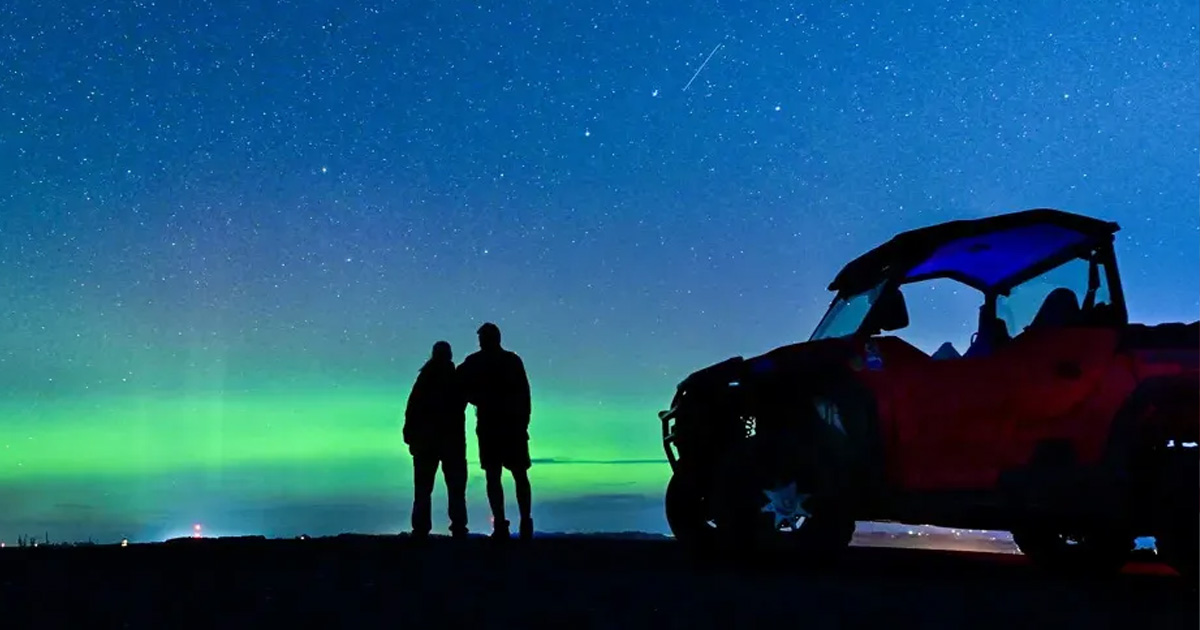
an you see the northern lights in Maine? Absolutely. In fact, if you're hoping to experience the Maine aurora borealis, Aroostook County offers the best chance anywhere in Maine and among the best opportunities in New England.
C
Three factors make Aroostook County an exceptional place for aurora borealis viewing in Maine. First, it's Maine's northernmost county, placing visitors closer to the Arctic than anywhere else in the state. Second, its rural landscape means very little light pollution, allowing stars and auroras to shine much brighter than they would near cities and towns. Finally, the long nights from autumn through early spring provide more hours of darkness to catch the aurora when solar activity is strong.
Unlike southern Maine and much of New England, you don't have to travel far in Aroostook County to find truly dark skies. Within just a few minutes of many communities, the glow of streetlights disappears, revealing brilliant stars stretching from horizon to horizon. Every year, several strong aurora displays become visible to the naked eye across The County, drawing photographers, skywatchers, and travelers hoping to witness one of nature's most unforgettable spectacles.

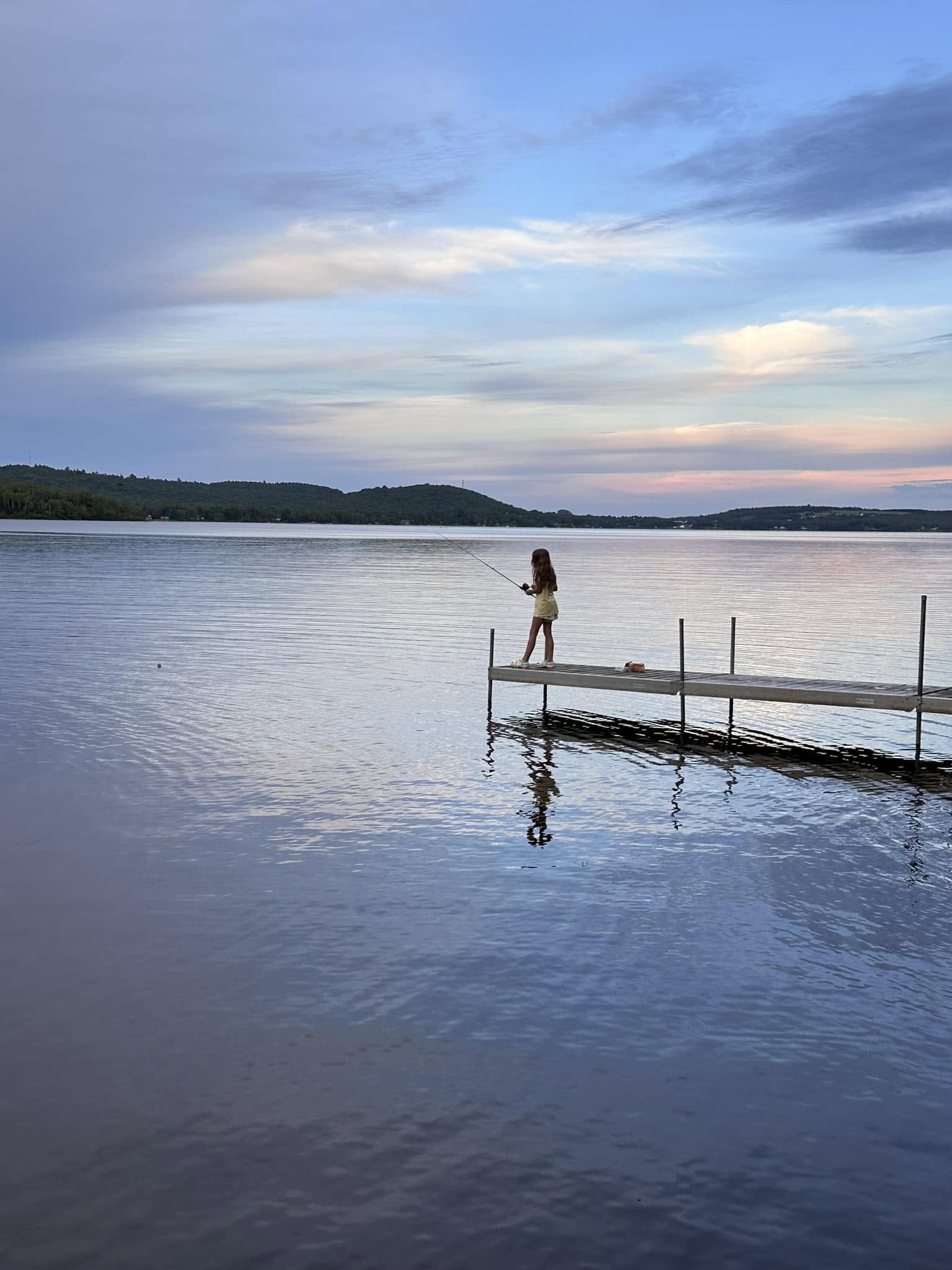
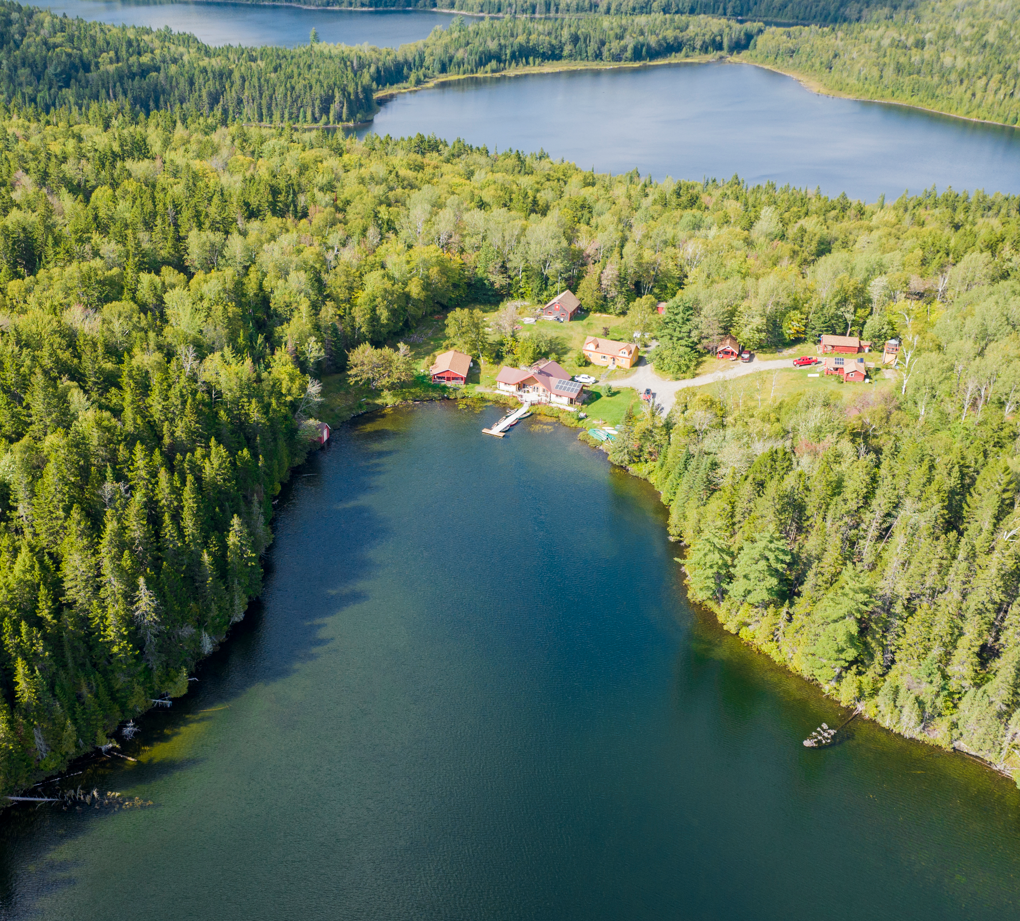
Whether you're camping beside Portage Lake, staying at a cabin in the North Maine Woods, enjoying a winter snowmobile trip, or simply stepping outside on a clear evening, Aroostook County provides an incredible opportunity to experience the northern lights. While no aurora display is ever guaranteed, few places in the Northeast offer better conditions when the sky and space weather align.

Why Aroostook County Offers the Best Chance to See the Northern Lights in Maine
Maine's Northernmost Location
The farther north you travel, the better your chances of seeing the aurora. As Maine's northernmost county, Aroostook sits closer to the Earth's geomagnetic pole than anywhere else in the state. While strong displays occasionally reach southern Maine, auroras are generally more frequent and often appear brighter across northern Maine.
Exceptionally Dark Skies
Darkness is one of Aroostook County's greatest advantages. With few large population centers and vast stretches of forests, farmland, lakes, and public lands, artificial light rarely interferes with the night sky.
To give yourself the best chance of seeing the northern lights, face north and find the darkest location possible. Open fields, lake shores, scenic overlooks, and quiet country roads often provide excellent viewing opportunities. Avoid house lights, parking lots, streetlights, vehicle headlights, and even brightly lit campgrounds. The darker your northern horizon, the better your chances of spotting the aurora.
Long Nights Create More Viewing Opportunities
The northern lights can appear during any month of the year, but October through April generally offers the best viewing in Maine because the nights are longer and darker. Cold weather doesn't create the aurora, but it does coincide with the season when visitors have the greatest opportunity to watch for it.
Experienced aurora chasers know that patience is part of the adventure. Some nights produce only a faint glow, while others fill the sky with brilliant curtains of green, pink, and purple that are easily visible without a camera.
Tips For The Best Viewing of The Northern Lights:
- Find a dark place with a clear view of the sky.
- Check your local weather forecast and be aware of any storms coming (cloudy weather) your way.
- The best tool for predicting a show is: Space Weather Prediction Station from NOAA. It features a 30-minute and 3-day Aurora forecast.
- Position your viewpoint to face north and be sure there are no large lights. You want a dark horizon in front of you as you face north.
- Dress warmly so you are prepared for anything, especially if you plan on being outside at night in potentially freezing temperatures.
- October through April have proven to be the best months for viewing.
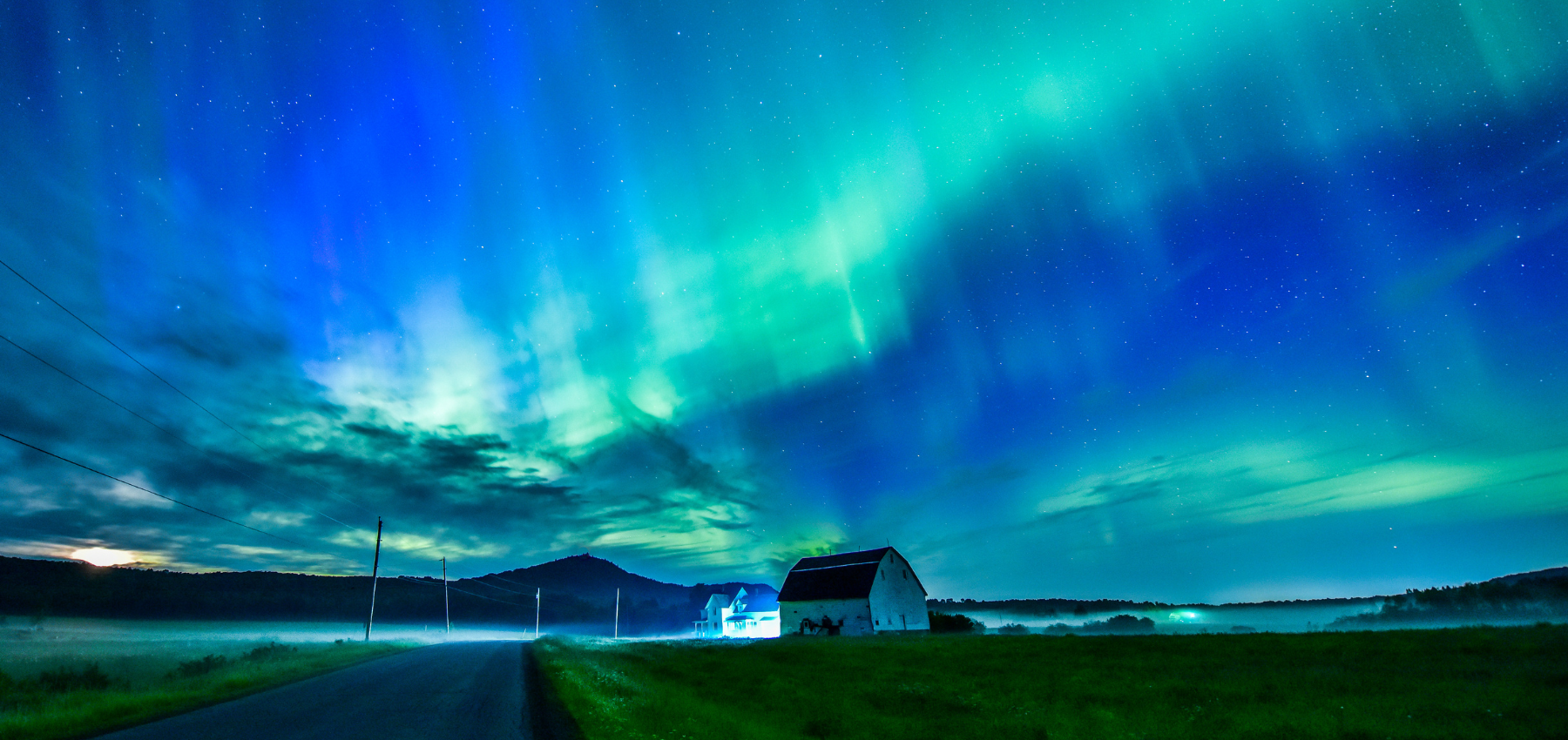
Where to Watch the Northern Lights in Aroostook County
One of the best things about chasing the northern lights in Aroostook County is that you don't have to travel far to find dark skies. While there is never a guaranteed viewing location, several destinations offer excellent conditions thanks to their open landscapes and minimal light pollution.
- The Frenchville Dark Sky Observatory in Frenchville, Maine is one of the favoirte astronomy destinations in northern Maine. Located overlooking open fields in the St. John Valley, the observatory regularly hosts astronomy programs and public observing events throughout the year.
- The Francis Malcolm Science Center in Easton, Maine also offers public astronomy programming and stargazing events from its observatory in rural field setting.
Visitors looking for quiet outdoor locations may also enjoy the dark skies found at Aroostook National Wildlife Refuge, Aroostook State Park, Deboullie Public Reserved Land, Scopan Public Reserved Land, and Whoodie Wheaton Land Trust. Lakeside destinations such as Portage Lake and Long Lake, along with scenic overlooks like Mars Hill Mountain, also provide expansive northern horizons that are ideal for watching the sky on clear nights.
Check the Aurora Forecast Before You Go
The northern lights are impossible to schedule, but modern forecasting tools make it much easier to know when conditions are favorable. Before heading outside, check the NOAA Space Weather Prediction Center Aurora Forecast. The forecast shows current aurora activity and short-term predictions that help determine whether displays may be visible in northern Maine. Many experienced skywatchers also follow the Maine Aurora Watch Facebook Group, where members share real-time sightings, photographs, and viewing conditions from around the state.
Aurora Forecast
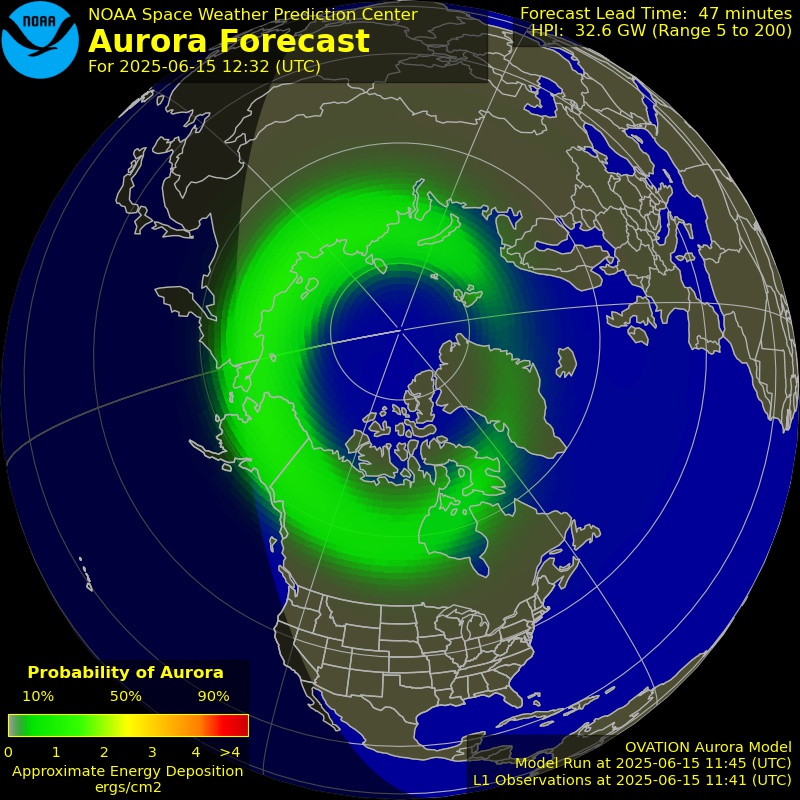
30-minute aurora forecast courtesy of NOAA / NWS Space Weather Prediction Center
What Causes the Northern Lights?
The northern lights, also known as the aurora borealis, are created when charged particles released by the sun collide with Earth's magnetic field and atmosphere. Those particles excite oxygen and nitrogen high above the Earth, producing the glowing curtains and colorful ribbons seen dancing across the night sky. The aurora can appear in shades of green, pink, purple, and red depending on atmospheric conditions and the strength of the solar storm. During especially strong geomagnetic events, the display may stretch high overhead and become visible throughout Aroostook County.
A Night You'll Never Forget
Seeing the northern lights is never guaranteed, but that's part of what makes the experience so memorable. Some visitors spend several nights watching the forecast before the sky suddenly comes alive. Others step outside their cabin or campground and unexpectedly find green ribbons stretching across the horizon. Even on nights when the aurora doesn't appear, Aroostook County rewards visitors with some of the darkest skies in New England. Thousands of stars fill the sky, the Milky Way becomes clearly visible, and the calls of loons from nearby lakes often provide the soundtrack to an unforgettable evening outdoors.
Whether you're visiting during a summer camping trip, a fall foliage getaway, or a winter snowmobile vacation, don't forget to spend a little time looking up. The next great northern lights display could be just one clear night away.

Common Questions About the Northern Lights in Maine
1) Can you see the northern lights in Maine?
Yes. Aroostook County offers the best chance to see the northern lights anywhere in Maine because of its northern location, exceptionally dark skies, and long winter nights.
2) When is the best time to see the northern lights in Maine?
The northern lights can appear any time of year, but October through April generally provides the best viewing opportunities thanks to longer hours of darkness.
3) Where should I go to watch the northern lights in Aroostook County?
Look for dark locations with an unobstructed view toward the northern horizon. Popular viewing areas include the Frenchville Dark Sky Observatory, Francis Malcolm Science Center, Portage Lake, Long Lake, Mars Hill Mountain, Aroostook National Wildlife Refuge, and several public lands throughout the county.
4) Which direction should I look?
Always face north and find the darkest location possible. Open fields, lake shores, and scenic overlooks with little or no artificial lighting provide the best viewing conditions.
5) How do I know if the northern lights will be visible?
Check the NOAA Space Weather Prediction Center's aurora forecast before heading out, and monitor local reports through the Maine Aurora Borealis Watch Facebook Group.
6) Can I photograph the northern lights with my phone?
Yes. Many newer smartphones, including recent iPhone models, can capture faint auroras using Night Mode or long-exposure photography. Your camera may even reveal colors before they're easily visible to your eyes. Recommended: How to photography the Northern Lights with a smartphone.
7) Are the northern lights guaranteed?
No. The aurora depends on solar activity, clear skies, and darkness. While there are no guarantees, Aroostook County consistently offers the best opportunity in Maine—and among the best in New England—to experience this remarkable natural phenomenon.


Judy Dinsmore is a lifelong Aroostook County local, born in Fort Fairfield and based in Caribou in Maine’s Aroostook County. Since 2001, she has worked in visitor relations with Aroostook County Tourism, helping thousands discover fun things to do in northern Maine - from craft fairs and Presque Isle’s First Friday Art Walk to the best places to shop and eat. Known as the voice behind the “Call Judy” tourism line, she’s attended every signature event in the region and knows each trailhead and local gem inside and out. Start planning your family fun in Maine with Judy’s trusted insight.